What Happens to a Fractional Funding Arrangement When I Sell?
You can sell any time — net proceeds split proportionally across all Brix holders after a 5% selling management fee. Detail beyond that isn't public.

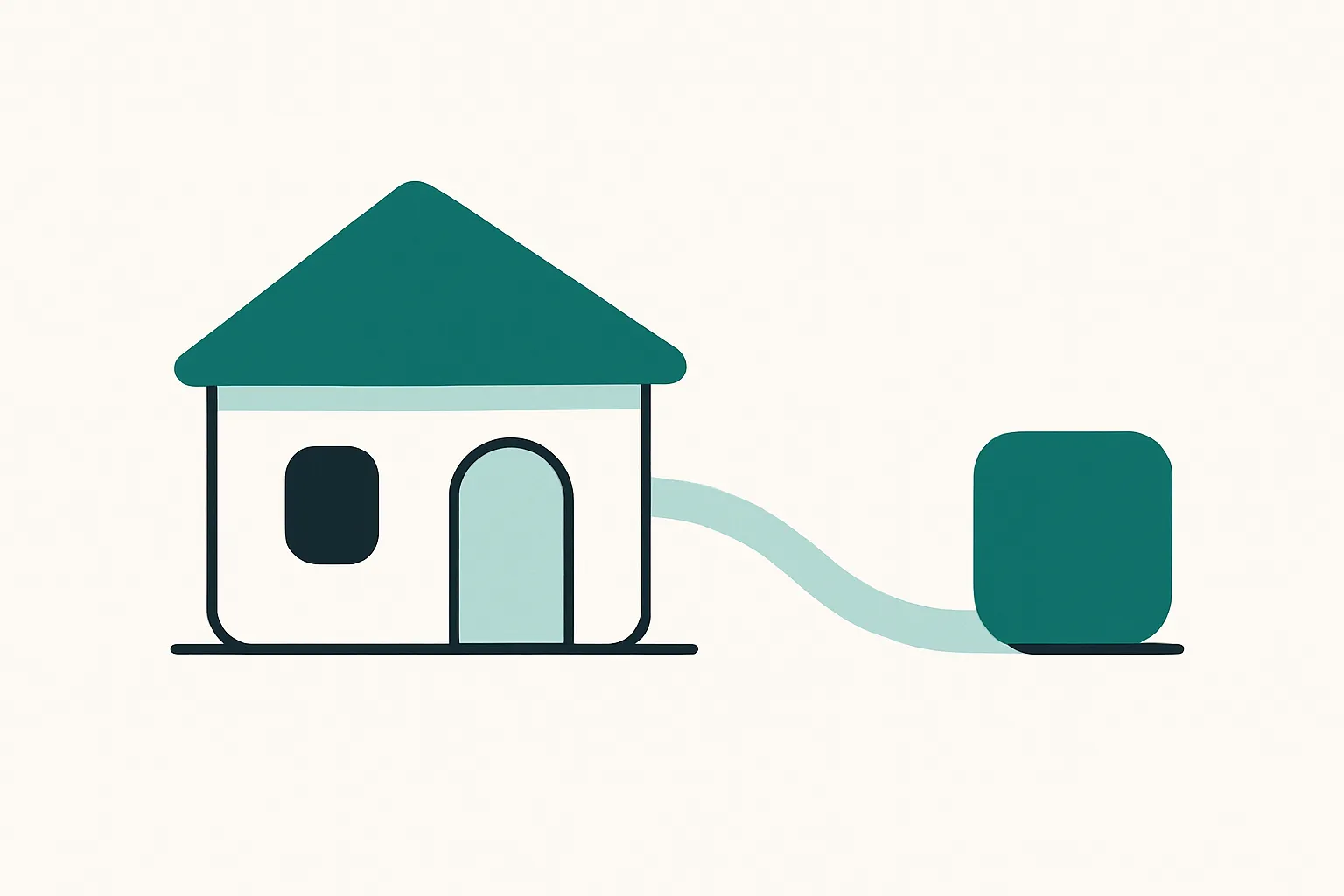
Selling the property is one of the ways a MyBrix funding arrangement can end — and it raises a plain, practical question: once the sale settles, who gets what? The mechanics are set out in MyBrix’s published terms, though not every step of settlement is spelled out in public detail.
What happens to a fractional funding arrangement when I sell?
You can sell the property at any time during the arrangement — that decision is yours, and the published terms don’t set out any consent step from other Brix holders (Brix are the fractional economic interests the property is divided into, more on that below) for it (as at July 2026, MyBrix Product Disclosure Statement). When the sale settles, the net proceeds are split proportionally among everyone who holds Brix at that point — including whatever share you still hold yourself — after a selling management fee is taken out of the gross sale price.
That fee is set at 5% of the gross sale price, and it’s borne proportionally across all Brix holders, not charged to you alone (as at July 2026). So if you’ve retained, say, 20% of the Brix in the property, you wear 20% of that fee along with 20% of any other cost deducted at settlement — the same proportion you’d receive of the proceeds.
How does the Brix structure decide who gets paid, and how much?
Each MyBrix property is divided into 10,000 Brix, together representing 100% of the property’s economic benefits — its future net sale proceeds, and net rental proceeds where the home is rented out. A Brix is a financial product under Chapter 7 of the Corporations Act 2001 (Cth): a fractional economic interest, not ownership of the property itself and not a loan (as at July 2026).
That’s the reason the payout works the way it does. Because Brix represent a proportional slice of the property’s future sale proceeds by design, selling the property and distributing the money that way isn’t a special rule bolted on for this scenario — it’s what a Brix is built to do. You remain the registered legal owner throughout, and a first-ranking mortgage is intended to be registered at settlement, held on trust for all Brix holders — security for the arrangement, not a separate claim that competes with the proceeds split.
Do you have to sell the property, or can you buy back Brix instead?
Selling isn’t the only way to end the arrangement. You can also buy back Brix at any time, at a price agreed before the property was first listed — so the buyback terms are fixed before you ever sell a single Brix (as at July 2026). Buying back everything isn’t expected within any particular timeframe, either.
There is an outer limit, though. The arrangement runs for a maximum term of 10 years, shorter if agreed. If you haven’t sold the property or bought back all your Brix by then, you must either buy back what’s left at the pre-agreed price, or the property is sold at market value — with proceeds distributed proportionally to all Brix holders, the same mechanism that applies if you choose to sell earlier.
| Exit path | What happens | Proceeds |
|---|---|---|
| Sell the property (any time) | You decide when; sale settles normally | Split proportionally, less 5% selling management fee |
| Buy back Brix (any time) | You pay the pre-agreed buyback price | No property sale — you keep the Brix |
| 10-year term ends | Buy back what’s left, or property is sold | Same proportional split if sold |
Assumptions: figures as at July 2026 per MyBrix PDS v4.0. The table describes the disclosed outcomes of each path; it doesn’t cover every fee that might apply to a given scenario (for example, a term extension carries its own fee, separate from a sale).
One more figure worth knowing: the published fee schedule separately lists an Unauthorised Sale fee of 10% of the Brix you hold, without spelling out every circumstance that would trigger it (as at July 2026). That’s reason enough to follow the settlement process MyBrix sets out rather than assume a sale can happen entirely outside it — worth confirming the specifics with MyBrix before listing a property for sale.
What happens to the mortgage over the property at settlement?
MyBrix’s published terms describe what happens when funding is first put in place: a first-ranking mortgage is intended to be registered over the property at settlement, held on trust for all Brix holders, and a licensed conveyancer coordinates that settlement with the property owner, any outgoing bank, and other relevant parties. Where an owner is refinancing an existing bank mortgage, funds are converted from AUDD to AUD to help facilitate its discharge as part of that same settlement process (as at July 2026).
For the exit sale itself, the published terms confirm two things (as at July 2026). First, the money: net sale proceeds are the sale price less the 5% selling management fee, and they’re distributed after the sale completes to all Brix holders — including you and MyBrix — proportionally by holding as at settlement. Second, MyBrix controls the release of its own mortgage. If an owner tries to sell without MyBrix’s approval or facilitation, the published terms state MyBrix will not release the mortgage — so release is tied to a sale MyBrix approves and facilitates.
What the PDS doesn’t set out, as an explicit step-by-step rule, is the sequencing beyond that single formula: exactly how or when MyBrix’s own first-ranking mortgage is discharged at an exit-sale settlement, or the precise order in which the selling fee, that mortgage discharge and any other amounts owing are applied before Brix holders are paid their share. Those detailed mechanics sit in the mortgage and security terms and the Participation Agreement, not the public PDS — so it’s worth confirming them with MyBrix rather than assuming a particular order.
Where can you check the full terms?
The complete exit, fee and settlement terms sit in the Product Disclosure Statement and Target Market Determination at mybrix.com.au — worth reading in full before listing a property, and worth asking MyBrix directly about any settlement step the public documents don’t spell out. This is general information, not a recommendation: whether selling the property or buying back Brix is the right move for your situation is a question for a licensed financial adviser. Our guide to fractional property funding and selling a share of your home covers how the arrangement works from the start, and our guide to losing control of your home covers what stays yours while it’s running. For the wider field of non-debt ways to access home equity, see our guide to accessing home equity without a loan.