What is the difference between an offset account and a redraw facility?
Offset accounts and redraw facilities both cut loan interest, but through different mechanisms — how they compare on access, structure and tax.

What’s the difference between an offset account and a redraw facility?
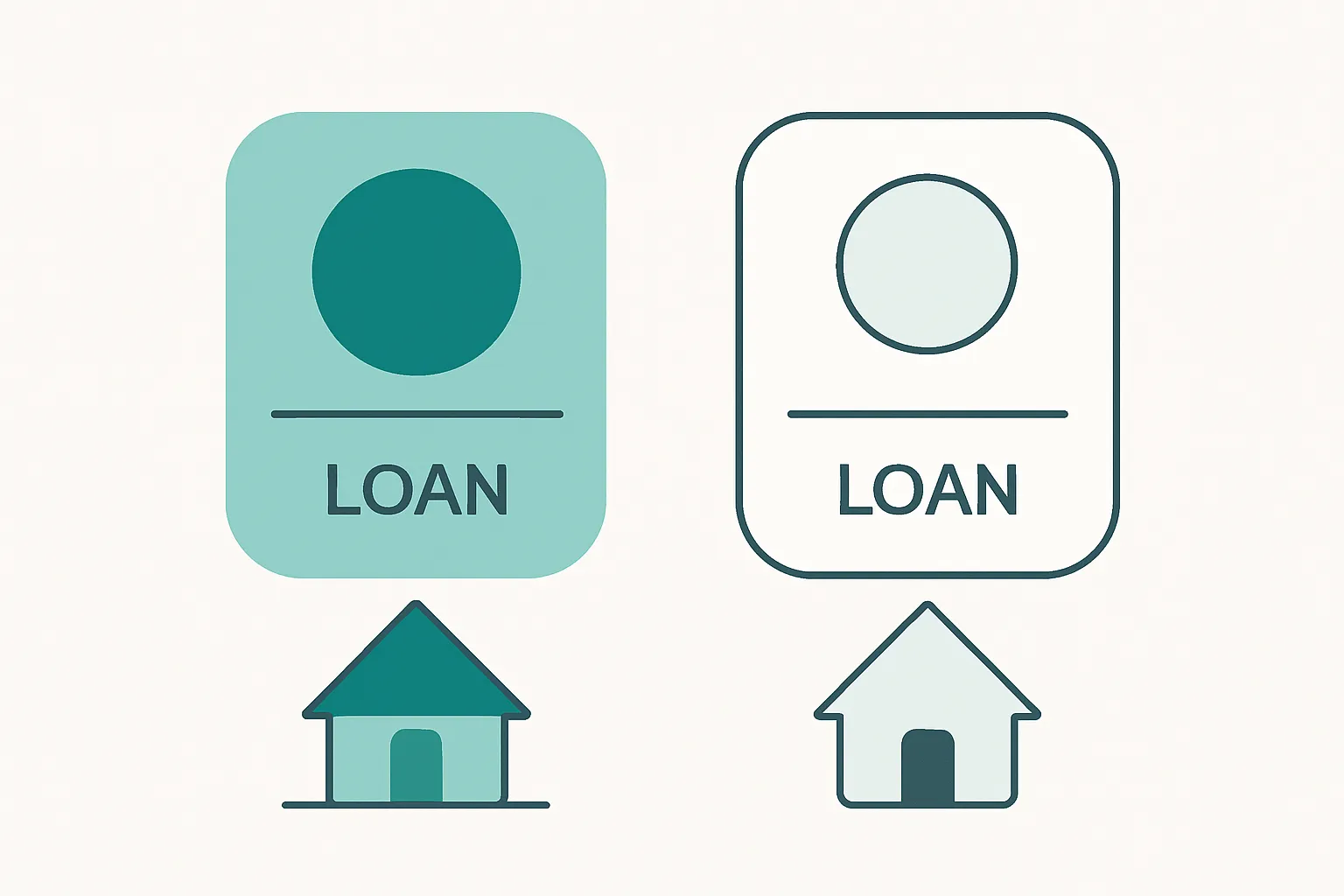
Both let extra cash reduce the interest charged on your home loan, but they do it through different mechanisms. An offset account (see our guide to what an offset account is and how it saves interest) is a separate transaction account whose balance is netted against your loan balance daily, purely for the interest calculation — the loan balance itself never changes. A redraw facility works the other way around: you make extra repayments directly onto the loan, genuinely reducing the balance, and the facility lets you withdraw that extra amount later if you need it.
How does a redraw facility work?
A redraw facility is a feature attached to some home loans that lets you access repayments you’ve made above the minimum required amount. Because those extra repayments are paid onto the loan itself, they reduce the outstanding balance straight away — lowering the interest charged in the same direction as an offset balance does, but by actually shrinking what you owe rather than sitting alongside it.
Whether redraw is available at all, how it’s accessed, any minimum redraw amount, processing time, and any fee charged per withdrawal are all set by the individual loan contract, not by a universal rule. Some lenders also reserve the right to limit or suspend redraw access, including during a fixed-rate period.
How do offset and redraw compare in practice?
| Offset account | Redraw facility | |
|---|---|---|
| Where extra money sits | Separate linked account | Inside the loan itself |
| Loan balance on your statement | Unchanged | Reduced |
| Everyday access | Card and transfers, like any transaction account | Lender-dependent request or online withdrawal |
| Effect on loan-to-value ratio (LVR) | None — the loan balance hasn’t moved | Reduces LVR, relevant to the 80% LMI threshold |
This comparison assumes the same loan amount, rate and extra-repayment amount under either approach — as at July 2026, the 80% LVR benchmark above which lenders mortgage insurance usually applies is unaffected by offset balances but is reduced by genuine extra repayments sitting in a redraw facility, because those repayments have actually paid down the loan.
Do offset and redraw affect tax and flexibility differently?
Flexibility differs in an obvious way: an offset balance is available instantly and in full, the way any transaction account is; a redraw amount depends on the lender’s process and any conditions attached to it. There’s also a structural difference some borrowers weigh if the property might later be rented out: because a redrawn amount briefly formed part of the loan before being withdrawn again, using it for another purpose can affect how that portion of the loan is characterised for interest deductibility, whereas an offset balance was never part of the loan at all. Tax outcomes depend on your circumstances — speak with a registered tax agent before acting.
Which one should you choose?
There’s no single answer — some loans offer only one of the two features, some offer both, and the right choice depends on how much you value instant, unconditional access to your money against a facility that may involve a request process and lender-set conditions, as well as any plans you have for the property down the track. A licensed mortgage broker can compare the specific loan products you’re considering, including their fees and redraw terms.
Both features are usually only offered on variable-rate loans, and either one still sits on top of the deposit you bring to the purchase — see our guide to how much deposit you need for a first home in Australia for the paths available.