Funding Your Property
Home Equity Access Options in Australia: Complete Comparison (2026)
Six ways to access home equity compared — reverse mortgage, HEAS, home reversion, fractional funding, refinancing and downsizing — on cost and protection.

Co-Founder & Head of Growth, MyBrix
Marcus Chun is the Co-Founder and Head of Growth at MyBrix. He drives MyBrix's partnerships and marketing, and the mission to make property investment accessible to more Australians.
LinkedIn profileMarcus writes general information only — not personal financial advice.
Six ways to access home equity compared — reverse mortgage, HEAS, home reversion, fractional funding, refinancing and downsizing — on cost and protection.
What happens when a buyer or seller delays property settlement in Australia — penalty interest, notice to complete, and each side's remedies.
How to organise water, gas and electricity around settlement day when buying your first home — timing, what varies by state, and what to compare.
The ongoing costs of owning versus renting a home in Australia, compared side by side — mortgage, rates, insurance, maintenance and rent.
Settlement day usually means key day too, but there's no fixed rule. What decides the timing on the day, and what can push a handover back.
What a pre-settlement inspection covers, when it happens and what to check before settlement — and how it differs from cooling-off rights.
There's no single date — it depends on when contract risk passes to you, which varies by state. What to check before you buy.
No single figure exists for a post-deposit cash buffer — the settlement costs it usually covers, and the factors that decide how much you need.
How settlement adjustments split council rates and water charges between buyer and seller, and who ends up paying what.
The 10% deposit is due at exchange of contracts, not later — how exchange, trust holding and cooling-off risk work, and what still varies by state.
What happens on settlement day when buying a home in Australia — funds transfer, the title transfers, and what to check beforehand.
What combustible cladding is, why it's a fire-safety issue in apartment buildings, and practical ways to check before you buy.
How an off-the-plan purchase works in Australia, plus the risks — sunset clauses, valuation shortfalls, duty and grant rules — before you sign.
Once contracts are exchanged, a seller is legally bound to sell. What can let them withdraw, and what happens if they refuse to settle.
How many days you get to change your mind after signing a home contract in NSW, VIC and QLD, and when no cooling-off period applies.
No — an auction contract is unconditional once the hammer falls. Why a finance clause can't attach, and how to get finance certainty before you bid.
What buying at auction means, why NSW, VIC and QLD sales have no cooling-off, and how first home buyers can prepare.
A subject to building and pest inspection clause lets a buyer inspect after signing and act on what's found before the sale becomes unconditional.
What a subject to finance clause protects in an Australian property contract, how it works, and when it isn't available.
How making an offer under private treaty works in Australia: the steps, common conditions, cooling-off periods by state and what to check first.
Body corporate and strata fees are a real, recurring cost of buying a unit or townhouse — what they fund and how to budget for them as a first home buyer.
What a strata report covers and what to check on finances, by-laws and disputes before buying strata title property in Australia.
No government body publishes a cost figure for a building and pest inspection. What drives the price, combined vs separate reports, and inspection timing.
A building and pest inspection isn't a legal requirement anywhere in Australia — what it checks, and how buyers actually arrange one before settling.
There's no published figure for conveyancing fees in Australia — what actually drives the cost, and how to get an accurate quote.
What a conveyancer or solicitor actually does when you buy a house in Australia — contract review, title searches, adjustments and settlement.
Beyond the deposit: stamp duty, conveyancing, inspections, registration and loan fees, LMI and moving costs — what else buying a home actually costs.
No — pre-approval doesn't guarantee a home loan. Why valuation, final checks and changed circumstances can still affect the bank's final decision.
What home loan pre-approval means, why it's conditional rather than a guarantee, and why how long it lasts is set by each lender, not one fixed rule.
The stages of buying a house in Australia, from budget and pre-approval to settlement, and how the order shifts between private treaty and auction.
Yes — non-bank lenders hold an Australian Credit Licence and follow the same responsible-lending rules as banks. What differs, and what to check first.
Costs to weigh before switching home loan lenders — discharge fees, new-lender fees, government charges, break costs and LMI — no invented figures.
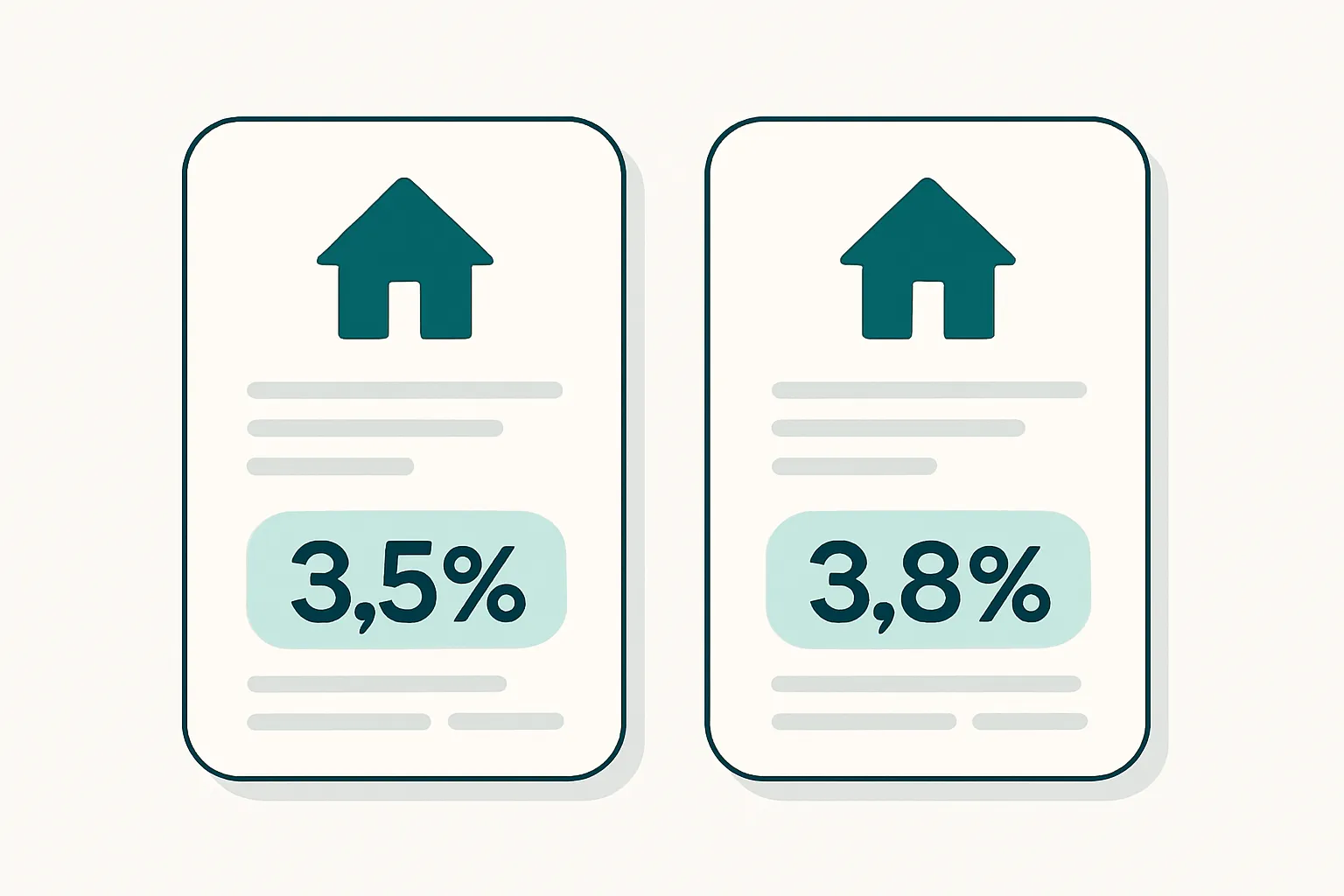
A comparison rate combines a home loan's interest rate and most fees into one figure lenders must advertise — what it includes, and where it falls short.
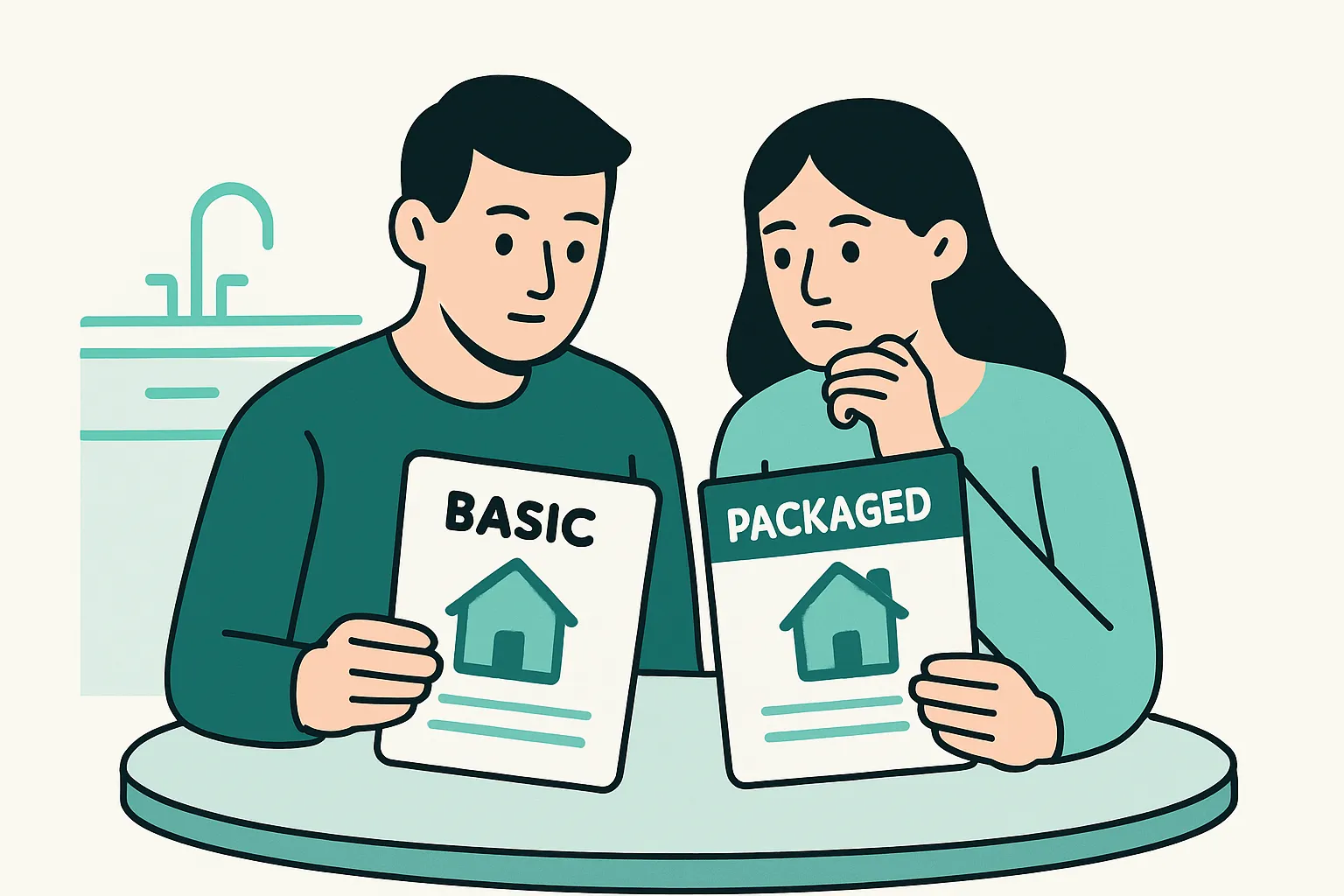
Basic vs packaged home loans compared — the bundled features, the annual fee structure, and how to weigh whether the bundle pays for itself.
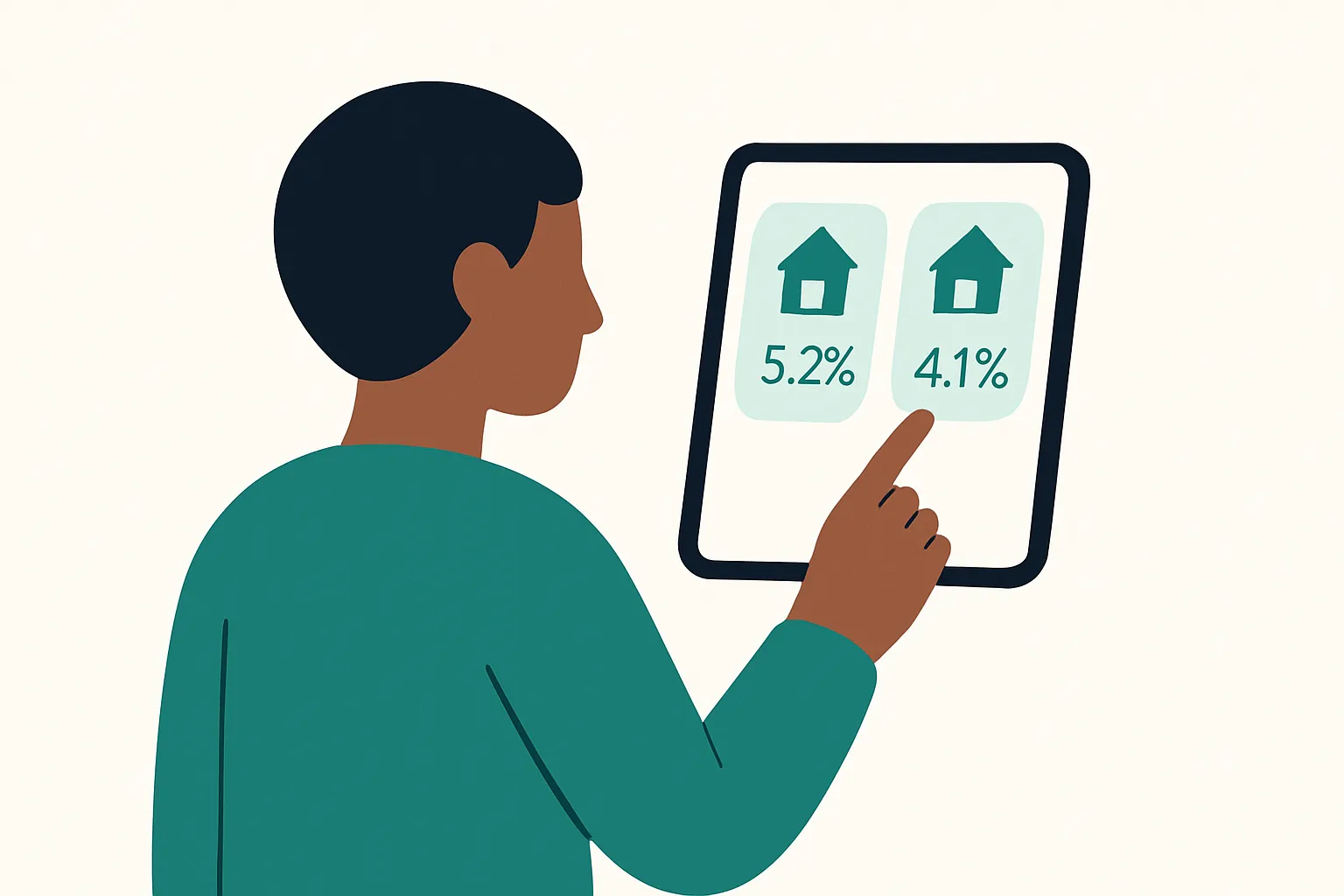
Yes, you can ask a bank to lower your home loan rate — what lenders may weigh when you ask, and why any outcome is at their discretion.
There's no single right loan type — the factors are rate-certainty needs, extra repayments, risk appetite, and whether a split suits you.
How mortgage brokers are paid in Australia — upfront and trail commission from the lender — and what 'free' really means for the borrower.
A broker compares multiple lenders; going direct means one lender, possibly one you already know. The factors to weigh, with no single right answer.
Comparing rates or getting a broker's assessment is a different step to a formal loan application. What the distinction means for your credit file.
Online lenders sit under the same licensing and lending rules as banks. What that means for safety, and how to check a lender's credentials.
Principal and interest repayments reduce your loan balance; interest-only doesn't during the IO period. How both structures work, factually compared.
Offset accounts and redraw facilities both cut loan interest, but through different mechanisms — how they compare on access, structure and tax.
An offset account is a transaction account linked to your home loan that reduces daily interest — how it works, and the trade-offs before choosing one.